Telehealth vs in-person TRT: which is right for you
By Janice · Updated 2026-07-03
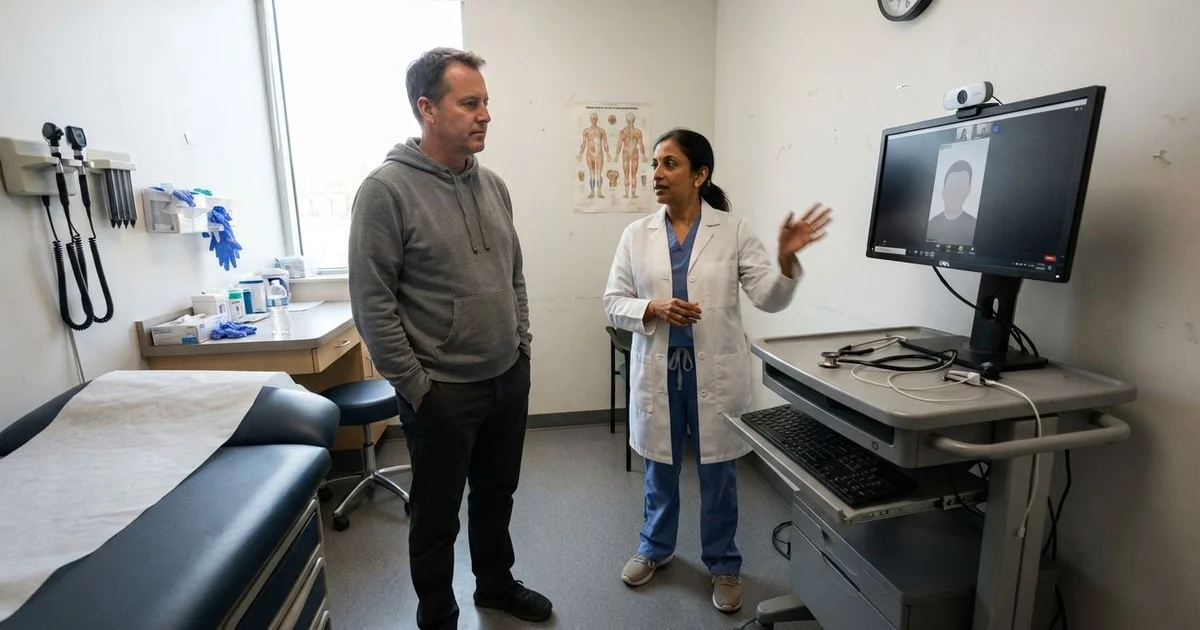
Both telehealth and in-person testosterone therapy are legitimate ways to get treated in Florida, and the medication itself works the same either way. The real differences are in the exam, the logistics, and how much in-person contact you actually want with your care.
What actually differs between the two
The initial exam. In-person visits allow a physical exam, which can matter for a first evaluation, especially if there are symptoms or findings that benefit from a hands-on check. Telehealth visits rely on your reported symptoms, prior records, and lab results instead.
Lab logistics. Neither format skips bloodwork. Telehealth TRT providers typically arrange for you to get blood drawn at a local lab or draw site near you, then review results remotely. In-person clinics often draw blood on-site during your visit.
Scheduling and travel. Telehealth removes the commute and waiting room entirely for consult visits, which matters if you have a demanding work schedule or live somewhere without a nearby specialist. In-person visits require travel but let you build a direct relationship with office staff.
Medication delivery. Both formats can prescribe injections, gels, or other delivery methods. Self-administered injections are common with telehealth since there is no in-clinic injection visit built into the model, while some in-person clinics offer in-office injections as an option.
If you are leaning toward telehealth, it also helps to understand what Florida’s telehealth prescribing rules actually require before you sign up.
Side-by-side comparison
| Factor | Telehealth TRT | In-person TRT |
|---|---|---|
| Physical exam at first visit | No | Yes |
| Blood draws | Yes, at a local site | Yes, often on-site |
| Travel required | Minimal to none | Yes, each visit |
| Scheduling flexibility | Often higher | Depends on clinic |
| In-clinic injections available | Rarely | Sometimes |
| Best for | Busy schedules, comfort with remote care | Preference for hands-on exams, local relationship |
Cost differences between the two formats
Neither format is automatically cheaper. Telehealth clinics often have lower overhead, which can translate into lower membership pricing, but that savings can be offset by local lab fees billed separately. In-person clinics sometimes bundle labs and injections into their visit pricing, which can simplify the total cost even if the sticker price looks higher upfront. Ask each option for a full breakdown of what is included in the monthly price before comparing the two on cost alone, since a lower headline number does not always mean a lower total.
Hybrid setups exist too
Not every clinic fits neatly into one category. Some in-person practices offer telehealth follow-ups after an initial physical exam, giving you the hands-on first visit with the convenience of virtual check-ins afterward. Others run primarily as telehealth providers but partner with local facilities for anyone who wants an occasional in-person visit. If neither pure telehealth nor pure in-person sounds right, ask a prospective clinic whether they offer a hybrid model before ruling them out.
Which one fits your situation
Telehealth tends to fit well if you have a straightforward case, a busy schedule, and you are comfortable managing self-injections or picking up medication without in-office visits. It also helps patients in areas with fewer local specialists.
In-person care tends to fit better if you have a more complex medical history, prefer a physical exam as part of your evaluation, or simply want the reassurance of an ongoing face-to-face relationship with your provider. It can also be the more practical choice if you would rather have injections administered for you rather than self-administer.
Neither option is inherently more legitimate than the other. What matters more is whether the specific provider, telehealth or in-person, follows a real diagnostic process: two morning blood draws confirming low testosterone, a review of symptoms and medical history, and an ongoing monitoring schedule. A rushed process is a red flag in either format.
To compare Florida providers offering remote consults, see the telehealth TRT category. You can also browse the full directory or read our methodology for how listings are scored.
FAQ
- Is telehealth TRT as effective as in-person treatment?
- The medication and dosing work the same way regardless of how the consult happens. What differs is the exam, the lab logistics, and how quickly issues get caught between visits.
- Do I still need blood draws with telehealth TRT?
- Yes. Labs still need to happen in person, usually at a local lab or draw site, even when the consultation itself is virtual.
- Is in-person TRT always more thorough?
- Not automatically. Thoroughness depends more on the specific provider and monitoring schedule than on the visit format alone. Some in-person clinics rush visits too.
- Can I switch from telehealth to in-person later, or the other way around?
- Generally yes, many providers allow switching if your situation changes, though you may need a new patient intake at the new clinic.