Moving to Florida on TRT: how to transfer your treatment
By Janice · Updated 2026-07-21
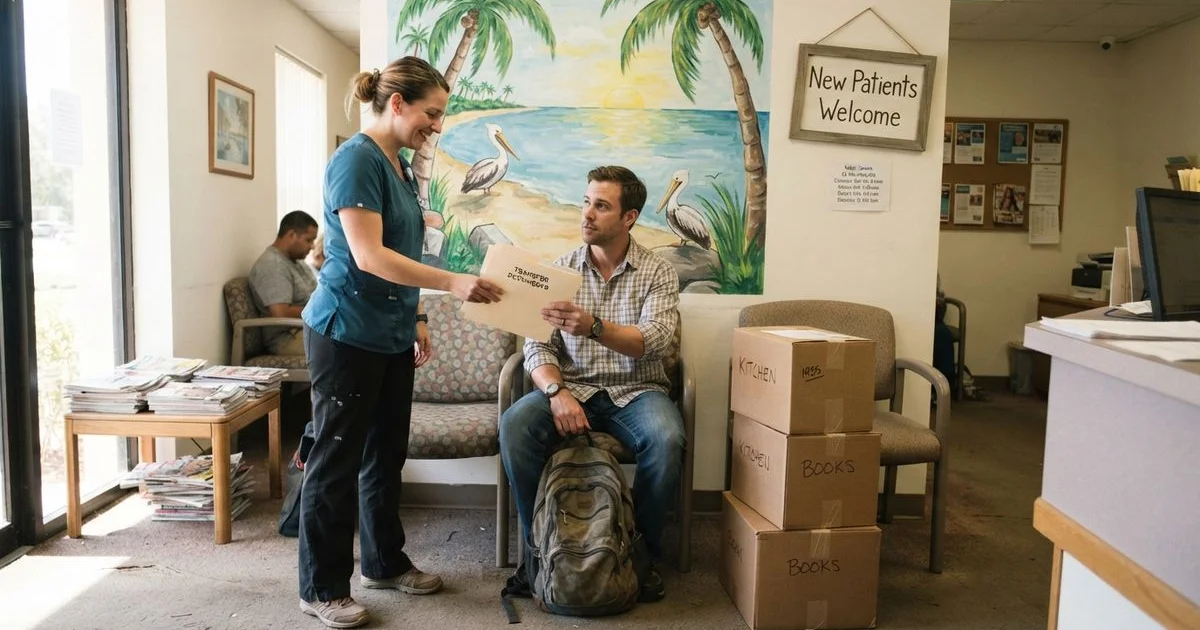
Relocating to Florida while on testosterone therapy is common enough that most local clinics have a routine for it. The process is straightforward, but it works much better if you start it before you run low on medication rather than after.
Start before you run out
The single biggest mistake in a TRT relocation is waiting until the medication is nearly gone to look for a new provider. Between finding a clinic, submitting records, scheduling an intake appointment, and possibly waiting on new labs, the transfer can take several weeks. Start reaching out 4 to 6 weeks before you expect to run out.
What to gather before you go
- Your most recent lab results, ideally within the last few months
- Your current prescription details: medication, dose, and delivery method
- Contact information for your previous prescribing provider
- Any notes on side effects or dose changes over the course of treatment
Having this on hand speeds up your first visit significantly and helps a new provider pick up where your last one left off instead of starting from zero.
What the transfer process typically looks like
| Step | What to expect |
|---|---|
| Find a Florida provider | In-person or telehealth, both are options |
| Submit records | Share recent labs and prescription history, either yourself or via records request |
| Initial consultation | Review of your history and current treatment plan |
| Labs | May reuse recent results or require a fresh draw depending on how recent they are |
| New prescription | Written once the Florida provider has reviewed your case |
Some patients transfer with almost no interruption in treatment, especially when recent labs and a clear prescription history make the new provider’s job easier. Others experience a short gap if a new baseline lab is required, so plan for that possibility rather than assuming a same-day handoff.
Choosing where to continue care
You don’t have to continue with the same type of clinic you used before. Someone who was at a large concierge clinic out of state might do just as well with a smaller local practice, or vice versa. Use the move as a natural point to reassess what you actually want from a provider: how much in-person contact, how monitoring is handled, and how pricing compares to what you were paying before.
Getting records moved quickly
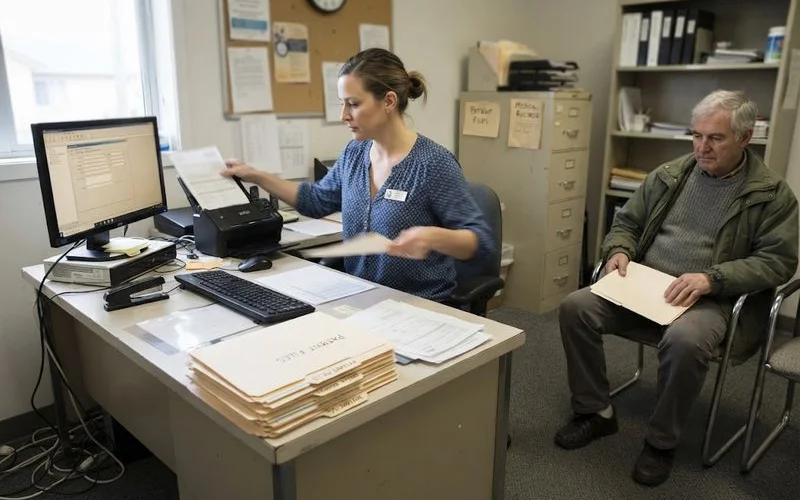
Most previous providers can send records electronically through a patient portal or a direct fax to your new clinic once you sign a release form, which is usually faster than waiting for mailed copies. If your old clinic is slow to respond, request your own copy of recent labs and prescription history directly, patients are generally entitled to their own records, and having them in hand yourself avoids being stuck waiting on someone else’s timeline. Some patients find it easier to request everything the moment they know a move is happening, well before the actual relocation date, so the file is already in hand by the time a Florida provider asks for it.
If you experience a gap in treatment
A short gap in testosterone therapy is generally not dangerous, though some men notice symptoms return during the interruption; our guide on what happens when you stop TRT covers this in more detail. If you are concerned about a longer gap, ask a prospective new provider whether they can expedite an initial consult for patients transferring care, many clinics can accommodate this given advance notice.
To find a Florida provider to continue your treatment, browse the full directory. Our methodology explains how we score and rank listed clinics.
FAQ
- Can I keep using my out-of-state TRT prescription in Florida?
- Generally no, not indefinitely. You'll need a Florida-licensed or Florida-registered telehealth provider to take over prescribing once you've established care locally.
- How far in advance should I start the transfer process?
- Start reaching out to a new provider 4 to 6 weeks before you run out of medication, since scheduling, records review, and sometimes a new baseline lab draw take time.
- Will I need new labs after I move, or can I use my old ones?
- Many clinics accept recent labs, typically within the last 3 to 6 months, but some will want a fresh baseline, especially if your last draw was longer ago or your dose has changed.
- What records should I bring when transferring care?
- Bring your most recent lab results, your current prescription and dosage history, and contact information for your previous provider in case the new clinic wants to request records directly.